Desktop windowing no Android 16 para testes: o que QA deve verificar Android 16 increases the need to test apps in resizable desktop-style windows, external displays, and large-screen layouts.
For QA teams, this is not only a visual check. It affects state, text, dialogs, touch targets, keyboard and mouse input, screenshots, recordings, and whether a bug can be reproduced on a real phone.
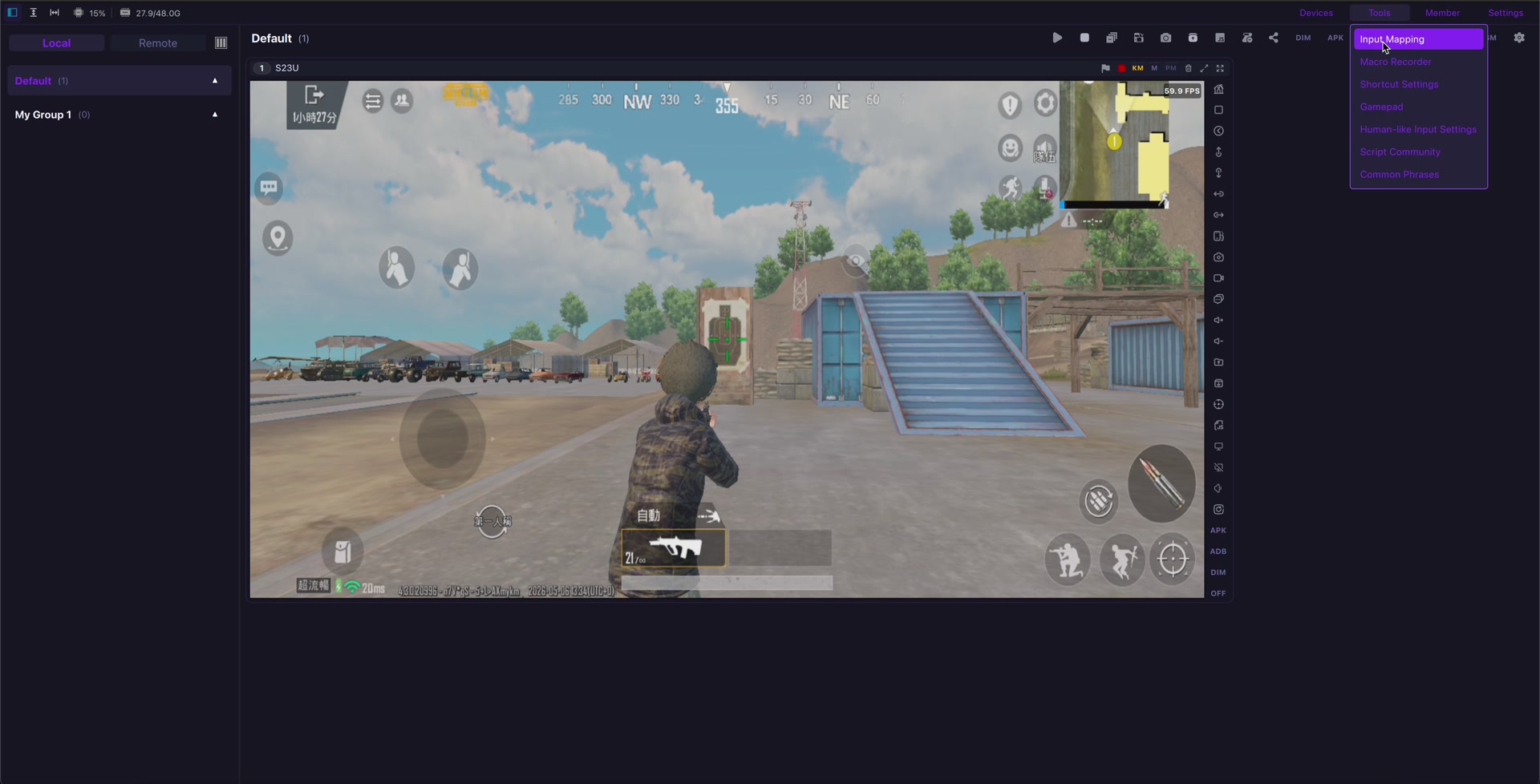
LaiCai Screen Mirroring helps teams mirror and control real Android phones from PC or Mac, capture evidence, and compare multiple devices for practical Android app testing.
Why this matters
Android 16 desktop windowing is a useful native improvement, but it expands the QA checklist. Use it together with Android screen mirroring for mobile app testing, a low-cost Android device lab, and multi-phone control from one computer so your tests are based on real devices, not only an emulator.
QA checklist
- Resize the app window across narrow, medium, and wide layouts.
- Check rotation, external display behavior, and app restart or state restoration.
- Inspect dialogs, forms, overlays, ads, maps, and game HUD elements for overlap.
- Verify keyboard focus, mouse scrolling, right click, drag, and text input.
- Record screenshots and short videos from real Android devices.
- Repeat important cases on different phone models and performance levels.
How LaiCai helps
- Mirror real Android devices to a PC or Mac for repeatable testing.
- Save screenshots and recordings as bug evidence.
- Compare multiple phones from one computer when model, GPU, OS, or density changes the result.
- Use USB for stable low-latency capture and Wi-Fi for lighter review.
Test matrix
| Test area | Coverage | Common risk |
|---|---|---|
| Resizable windows | Narrow, medium, wide, split-screen | Clipped text, overlap, lost state |
| External display | Dock, monitor, cable, display density | Different behavior from phone-only testing |
| Input | Touch, keyboard, mouse | Broken focus or shortcuts |
| Evidence | Screenshot, video, model, connection type | Unclear bug reports |
Conclusion
Android 16 desktop windowing is a useful native improvement, but it expands the QA checklist. Use it together with Android screen mirroring for mobile app testing, a low-cost Android device lab, and multi-phone control from one computer so your tests are based on real devices, not only an emulator.
References: Android Developers app orientation, aspect ratio, and resizability; Android Developers Blog connected display desktop windowing.